
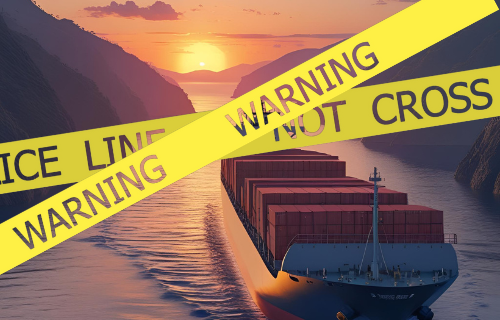
Post-war recovery | Strategic Chokepoint Stabilizes—But Not Without Scars
Post-war recovery | Following the resolution of recent military tensions between Iran and the United States, the Strait of Hormuz, a critical artery for global oil and LNG shipments, has officially reopened under heavily monitored conditions. The announcement comes three weeks after Iran’s temporary parliamentary vote to close the strait was overturned by the Supreme National Security Council, signaling a return to diplomacy. However, maritime stakeholders warn that “post-war” does not mean “back to normal.”
Post-war recovery | Shipping Resumes Amid Tightened Security
Post-war recovery | The strait—through which over 20% of the world’s oil passes—had seen weeks of extreme disruption:
1. Several VLCCs (Very Large Crude Carriers) rerouted via the Cape of Good Hope.
2. Shipping insurers raised war-risk premiums by up to 300% at the height of the conflict.
3. At least 15 vessels reported GPS spoofing and electronic jamming incidents in May.
With ceasefires in place and U.S. naval de-escalation, shipping lines are cautiously returning, though many are operating under military escort agreements.
“It’s not peace, it’s managed risk,” said Capt. Malik Husseini, a veteran Gulf tanker operator. “The threat of mines and drone harassment remains very real.”
Post-war recovery | Energy Flows Recover—but Markets Stay Anxious
Oil and LNG flows through Hormuz are steadily resuming, with Qatar, Saudi Arabia, and the UAE restarting suspended tanker schedules. But traders are pricing in persistent geopolitical volatility:
1. Brent crude, which spiked to $89/bbl during the height of the conflict, is stabilizing around $73.
2. Natural gas futures remain 12–18% above pre-conflict levels due to residual supply constraints.
Major importers like China and India have accelerated negotiations for pipeline-based alternatives and long-term storage resilience strategies.
Tech and Defense Upgrades
In response to electronic warfare and satellite disruptions during the war:
1. Several nations are investing in enhanced GNSS backups and maritime AI-assisted navigation.
2. A multinational task force has launched “Operation Horizon Watch”, using drones and naval patrols to deter further interference in Gulf shipping.
The International Maritime Organization (IMO) is also drafting new guidance on cyber-physical security for commercial vessels.
Trade Forecast: Fragile but Forward
Shipping costs on Asia–Europe routes remain 25–30% above 2024 averages, but are expected to ease by Q3 2025 as confidence returns. However, insurers warn that any resurgence in regional hostilities could double rates overnight.
June 25, 2025
By International Maritime News Desk